Can Dogs and Cats Drink Kangen Water? A Deep Dive for Pet Owners
Hydration is Key for Pet Health
The health and happiness of our beloved pets depend heavily on one simple element: water. Just like humans, proper hydration is fundamental to a dog's playful energy and a cat's vital organ function. Considering most animals are comprised of about 60% water, they need clean, quality fluids constantly to support everything from joint mobility to their body's essential cooling mechanisms.
As modern pet owners seek the best possible resources for their furry family members, the question of water quality has taken centre stage. If you use a Kangen water ionising machine, or are considering one, you've likely asked: Is it safe, and potentially beneficial, for our dogs and cats to drink Kangen Water?
This post will use deep knowledge of Kangen Water science and current veterinary perspectives to guide your decision. However, before proceeding, there is one non-negotiable step:
The Crucial Veterinary Disclaimer: Always consult your veterinarian before making significant changes to your pet's diet or water source, especially if they have pre-existing health conditions, such as kidney or urinary tract issues. Their advice is paramount.
Understanding Kangen Water

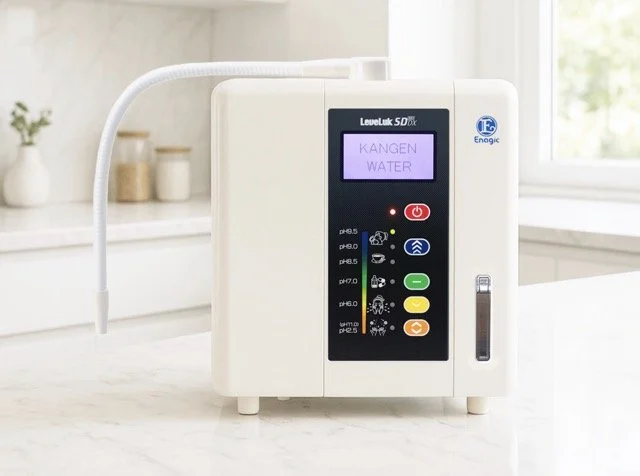
Kangen Water is produced by a specialised machine that first filters tap water to remove common contaminants (like chlorine and rust) and then uses a process called electrolysis to separate the water into various streams with different pH levels.
Understanding these different pH levels is critical when considering your pet:
pH 8.5 - 9.5 (Alkaline Drinking Water): This is the high-alkaline water promoted for human consumption. This is the water that requires the most caution for pets.
pH 7.0 (Neutral Water): Often called "Clean Water," this stream has been filtered but not ionised. It remains neutral and pure, making it the safest and most recommended option for general pet hydration.
pH 2.5 and pH 11.5 (Strong Acidic/Alkaline): These extreme pH waters are strictly for cleaning and disinfecting uses. They should never be ingested by dogs or cats.
The Veterinary Consensus: Caution with High pH Water
The primary concern pet owners—and many veterinarians—have revolves around the pH 8.5 - 9.5 alkaline water and its potential impact on a pet's delicate internal environment.
1. Disruption of Stomach Acidity
A healthy dog's or cat's stomach is highly acidic (normally pH 1–2). This intense acidity is vital for:
Optimal Digestion: Breaking down proteins and activating essential digestive enzymes.
Immune Defence: Serving as a crucial line of defence against harmful ingested bacteria.
Continuous consumption of high-alkaline water can temporarily raise the stomach pH. Veterinary experts caution that this neutralisation effect can impair nutrient absorption and compromise the pet’s natural defence against pathogens.
2. The Critical Research Gap
While advocates cite anecdotal benefits like antioxidant properties, the scientific community lacks long-term, peer-reviewed studies on the chronic effects of high-alkaline water consumption in dogs and cats. Without this data, providing it to your pet carries unknown risks to their metabolic processes.
Pet-Specific Considerations: Dogs vs. Cats 🐶🐱

The physiology of dogs and cats differs significantly, which influences how they should approach pH-modified water.
Dogs: Dogs are generally good drinkers, but, like cats, they don't cool themselves effectively through sweating. Their digestive system is quite robust, but they still require a clean, consistent water supply, especially during warm weather.
Cats: Cats are notoriously poor drinkers and are often prone to kidney and urinary issues, making them much more sensitive. Their strongly acidic stomach is vital for processing their high-protein, carnivorous diet.
Crucial Pet Health Considerations: Urinary & Kidney Risk
This section explains the potential risks of high-alkaline water in pets, particularly concerning urinary pH.
Dehydration Risk: Because animals don't sweat to cool down, they rely heavily on panting (dogs) and the moisture in their mouths to regulate temperature. A lack of hydration can quickly lead to overheating. If your pet is thirsty and clean water isn't available, they might turn to unsafe sources like puddles, highlighting why keeping Clean Kangen Water® on hand is a responsible choice.
Struvite Stone Risk: Alkaline water can shift a pet's urine pH higher. Struvite crystals and stones (common in both dogs and cats) require acidic urine (pH below 6.8) for dissolution. When the urine becomes more alkaline, it promotes the formation of these crystals, leading to serious urinary issues.
Recognizing Pet Dehydration
Dehydration is a serious condition in pets that requires immediate veterinary attention. Some tell-tale signs that your cat or dog is not getting enough water include:
Eyes that may be sunken into the head.
Lethargy or less energy than usual.
Dry gums in the mouth.
Excessive elasticity of the skin (skin tents when pinched).
The Safest Pet Approach: Using pH 7.0 "Clean Water"
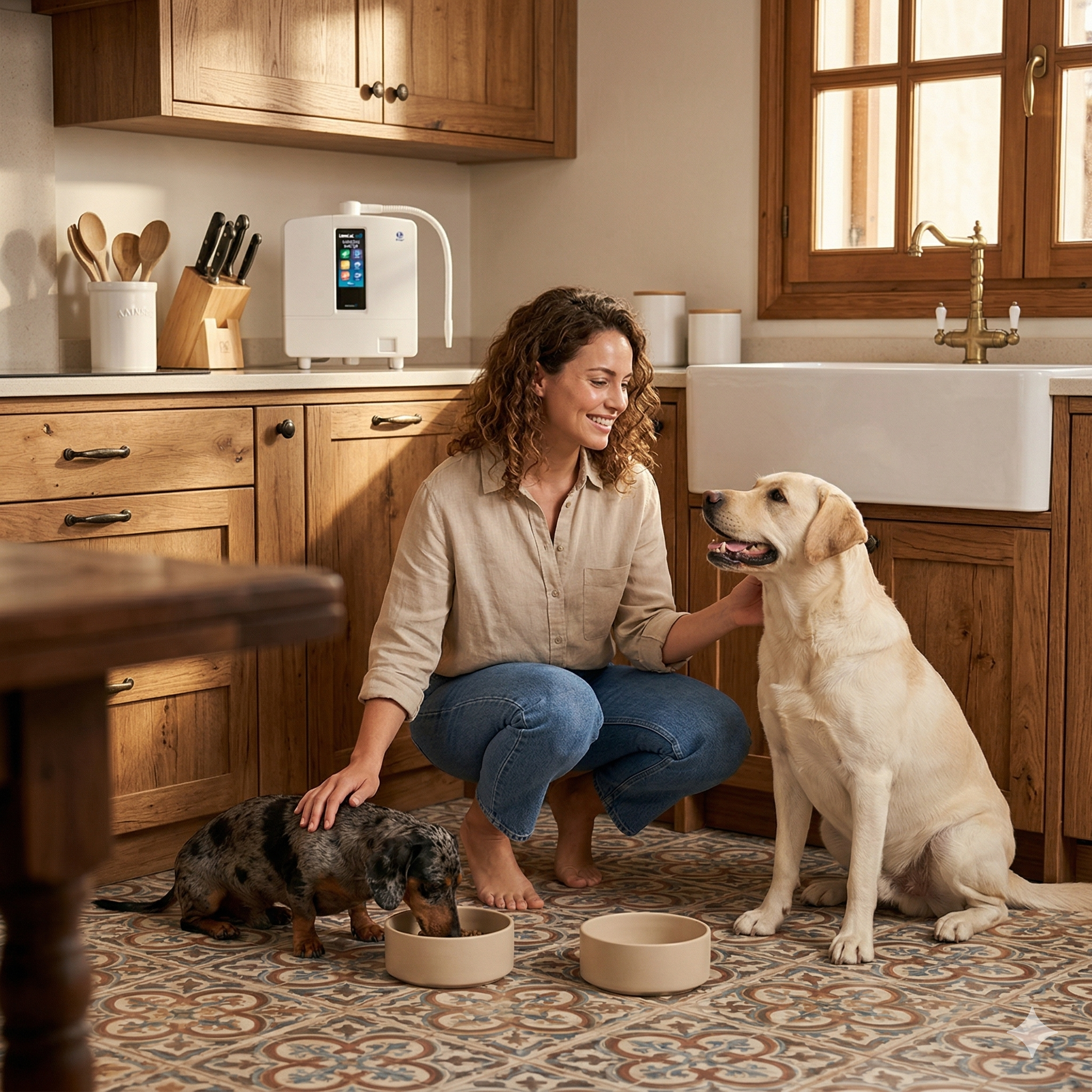
For the vast majority of pets, the best and safest way to utilise your Kangen machine is to dispense the pH 7.0 (Neutral/Clean Water).
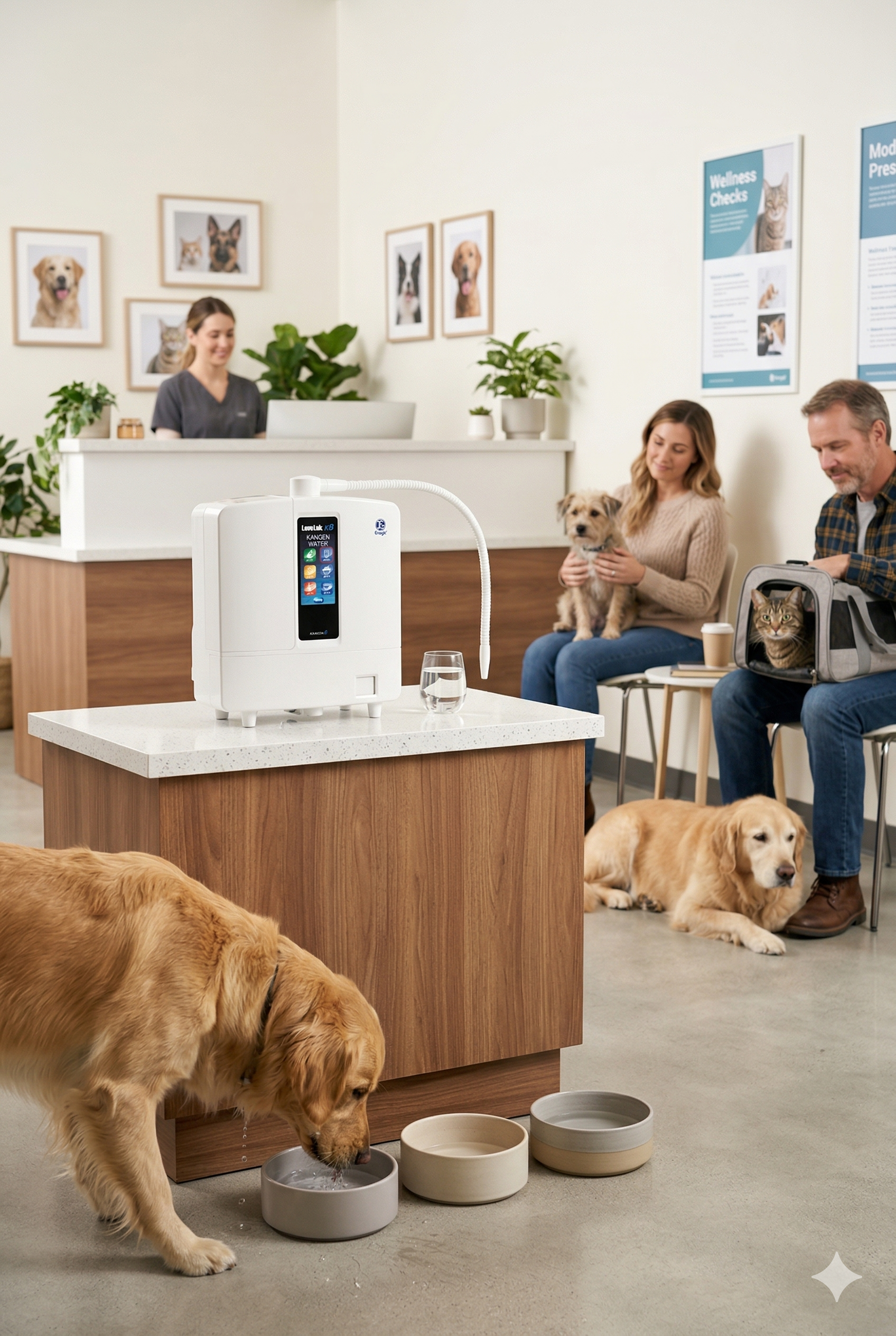
This approach offers significant, proven benefits without the associated health risks:
Optimal Filtering: The water is filtered, removing common contaminants like chlorine and heavy metals.
Neutral pH: It provides pure, clean hydration that will not interfere with their stomach's natural acidity or their body's inherent pH-balancing mechanisms.
Encourages Intake: If the filtration improves the taste, it can encourage better water intake, aiding in their overall health and cooling efforts.
Making an Informed Decision For Your Furry Friend
Providing your pet with clean, high-quality water is one of the best things you can do for their long-term health and heat regulation.
While the pH 7.0 setting is an excellent source of filtered water, the higher alkaline settings pH 8.5+ are an area of controversy and potential risk, particularly regarding sensitive areas like kidney and urinary health.
Your pet's health is unique, and it deserves a customised approach. Before introducing any water source with an elevated pH, schedule a check-in with your veterinarian. They can provide a personalised recommendation to ensure your dog or cat gets the cleanest, safest water possible.
Disclaimer: The information provided in this blog post is for educational and informational purposes only and is not intended to be a substitute for professional veterinary advice, diagnosis, or treatment. Always seek the advice of your qualified veterinarian with any questions you may have regarding a medical condition or changes to your pet's diet or water intake. Never disregard professional veterinary advice or delay in seeking it because of something you have read here.